There are no items in your cart
Add More
Add More
| Item Details | Price | ||
|---|---|---|---|


Dry needling, manual therapy, sports rehabilitation, spine, knee and shoulder programmes — certification courses, fellowships, PG diplomas and supervised internships taught by clinicians who still treat patients every week.
Speak to an academic counsellor before spending a rupee. Free, no pressure, no sales sequence.
Most physiotherapists do not struggle because they lack intelligence. They struggle because college never taught confident assessment, hands-on technique, clinical reasoning or how to hold a patient through a twelve-week plan. Find the one that sounds like your week.
You can name the pathology, but the next twenty minutes feel like guesswork — so you fall back on machines and hope the patient returns.
Start with a certification course →On paper you look identical to every other BPT applying for the same post. Hospitals and clinics pay a premium for a specialist identity, not for years served.
Look at fellowships & PG diplomas →Slow results end treatment plans early. Retention, referrals and reputation all follow from outcomes you can produce reliably, not occasionally.
See patient outcomes →A fair objection, and a common one. Which is why the demo class, the certificate and the patient results are all on this page before any payment is asked of you.
Claim free access first →No endless scrolling, no confusion about where to begin. Pick the door that matches where your career is today.
Region-wise programmes for spine, knee, shoulder, MSK and sports, plus technique courses in dry needling, taping, IASTM, MET and MFR.
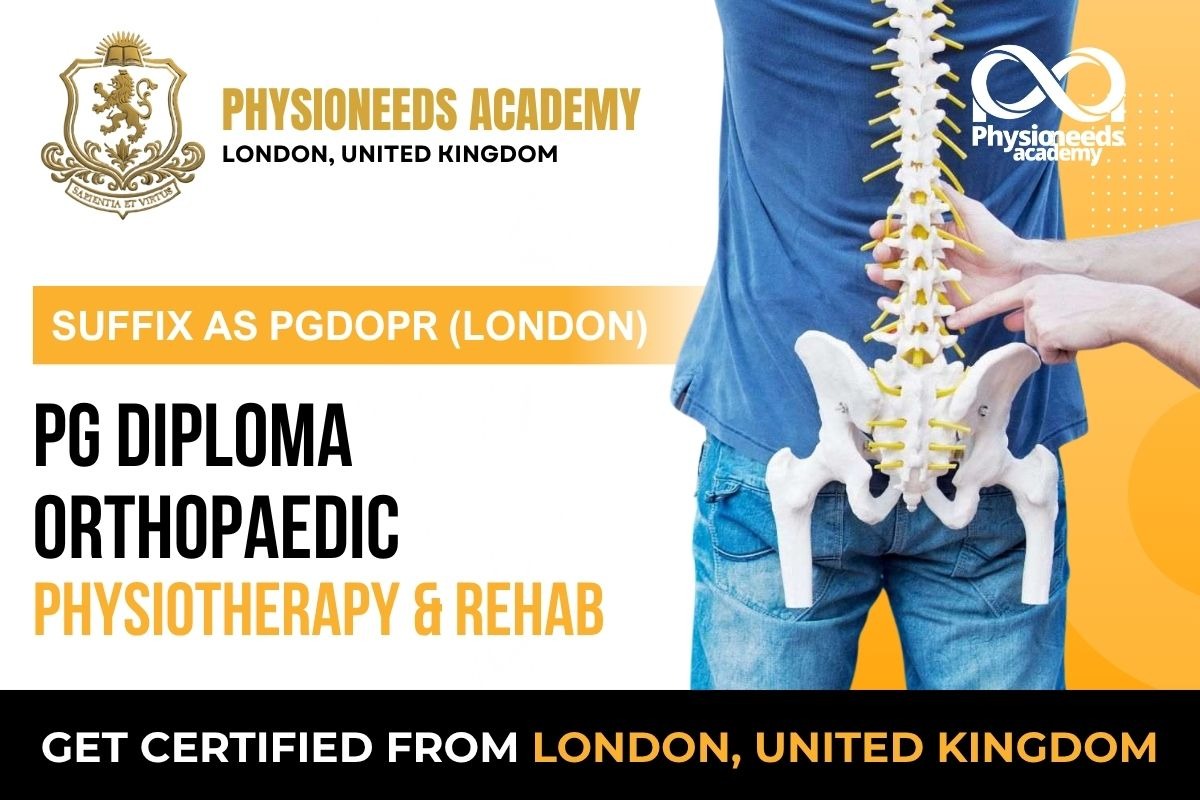
For physios who want a fast, visible skill upgrade Browse certifications BMentored, long-format pathways in sports, musculoskeletal, orthopaedic and manual therapy — including supervised clinical internship.
For physios building a specialist identity Browse fellowships CSix clinical books, digital references, protocols and practice tools — plus a membership that keeps the whole library open all year.
For everyday clinical reference Browse resources DA clinical e-book, a real demo class, the Thursday masterclass and a personal course map. No card, no obligation, no sales call.
For anyone deciding whether to trust us Claim free accessThere is a gap between naming a pathology and knowing exactly what to do with your hands for the next twenty minutes. Nobody closes that gap for you after graduation. It is where confidence quietly dies, and where good physiotherapists spend a decade stuck.
Depth in the cases you already treat builds confidence faster than anything else. Pick a region and see every course, technique and book that supports it.
 4 coursesSpine & Back PainCervical, lumbar, disc, posture
 3 coursesKnee & Lower LimbACL, meniscus, OA, post-op
 3 coursesShoulder & Upper LimbFrozen shoulder, cuff, instability
 5 coursesSports & AthletesOn-field care, return to play
 6 coursesMusculoskeletalAssessment, reasoning, protocols
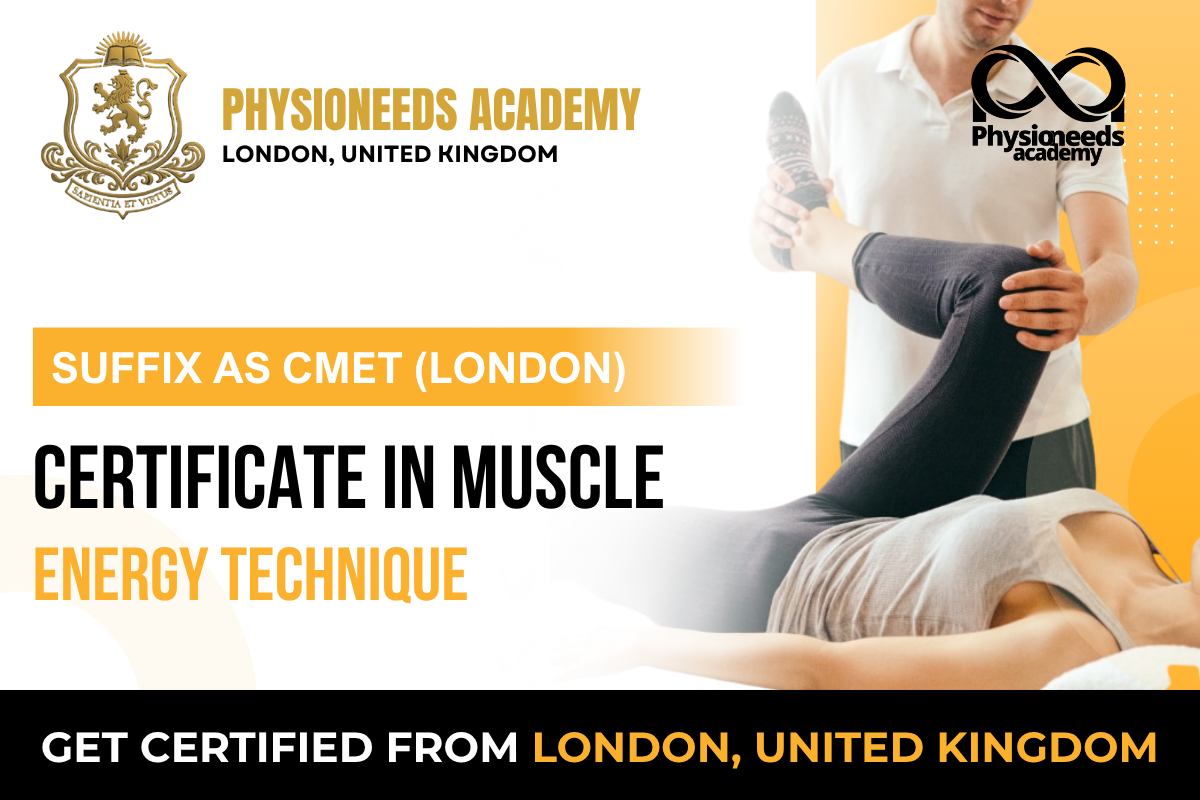
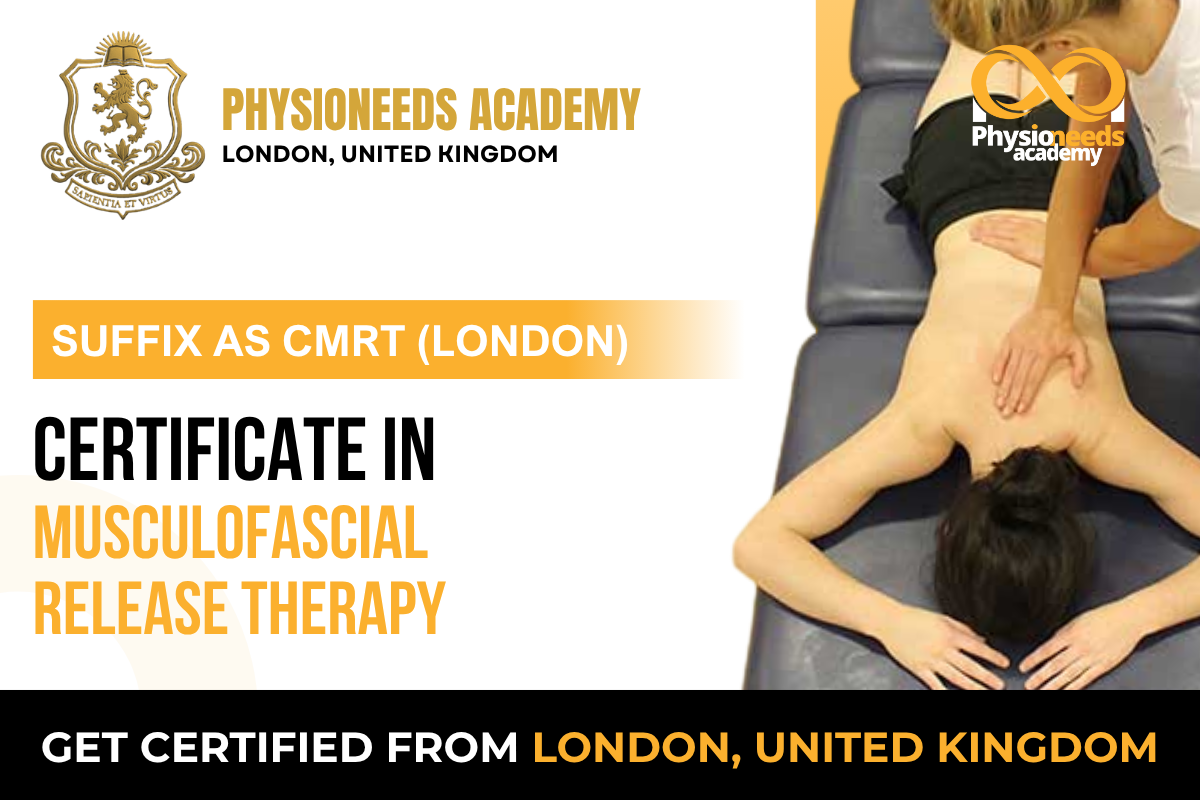
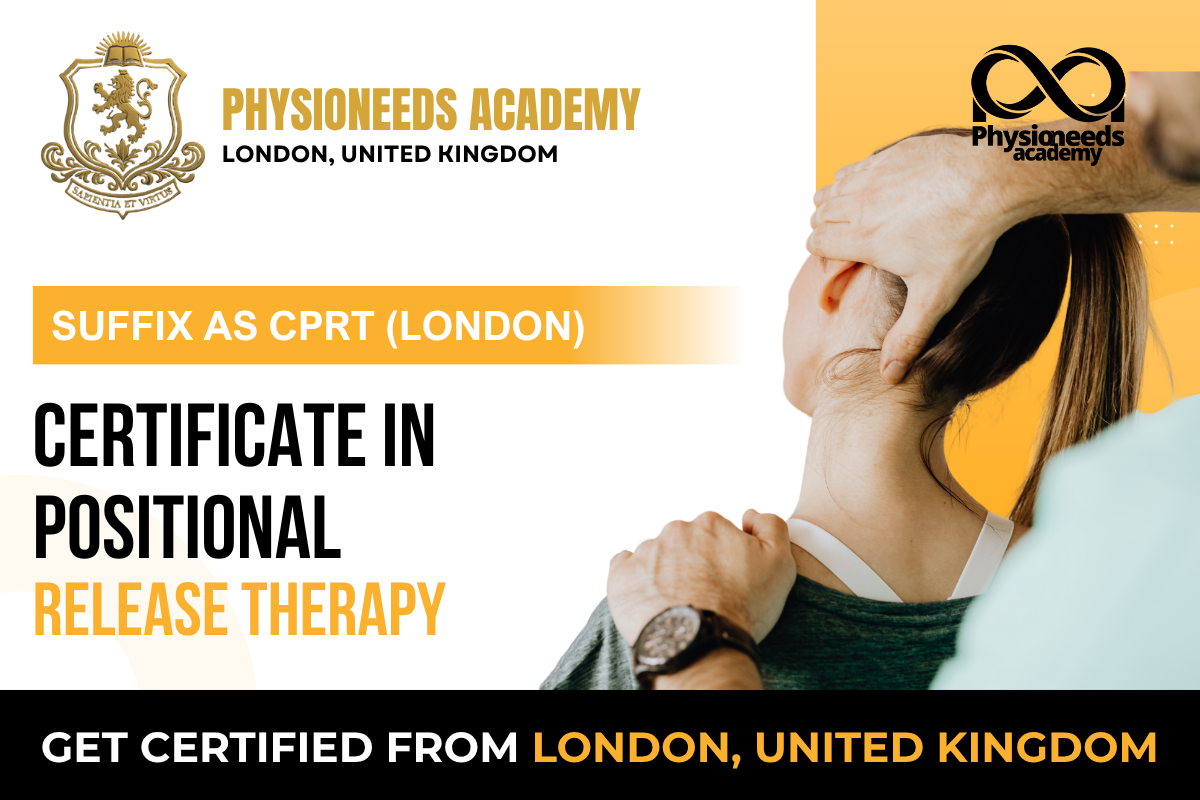
 5 coursesManual TherapyMET, MFR, mobilisation, PRT
 2 coursesDry NeedlingTrigger points, safety, regions
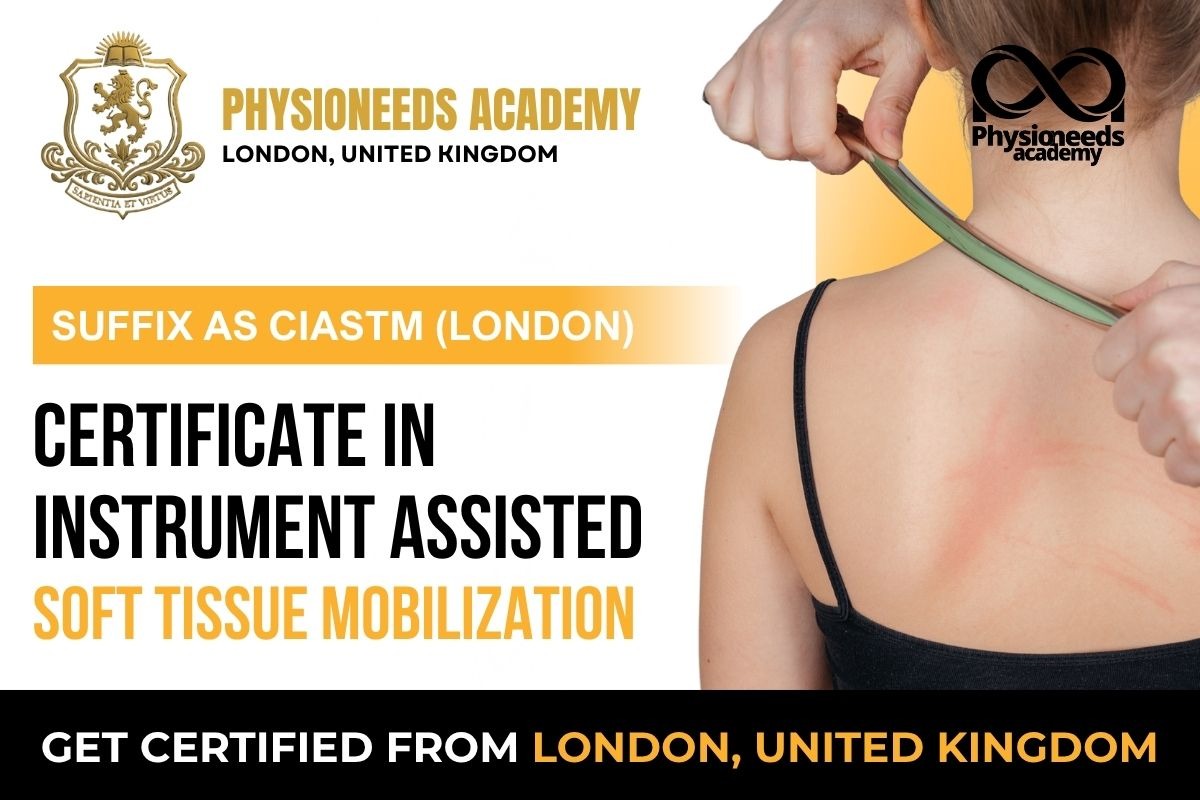
 2 coursesTaping & IASTMKinesio, rigid, instrument work
Short certifications to sharpen one skill. Fellowships and PG diplomas to build a specialist identity. Internships and city labs to put your hands on real patients under supervision.
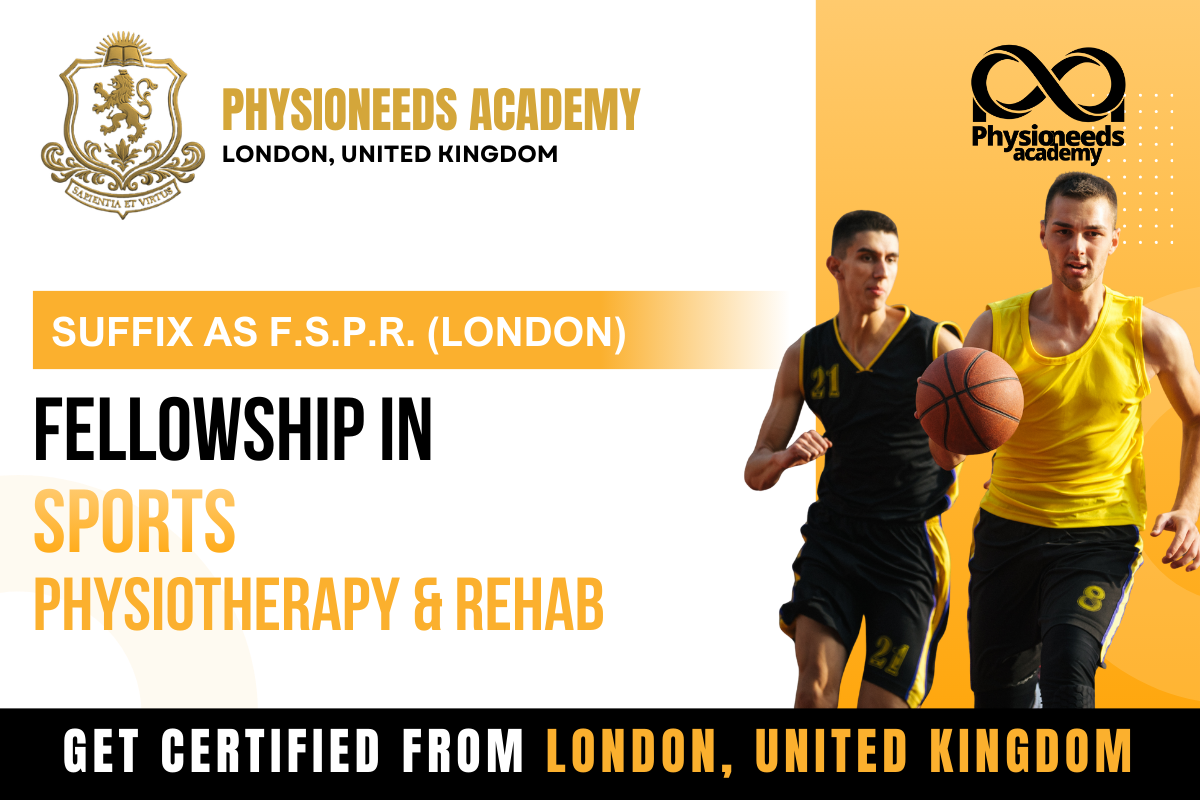
A full pathway into athlete care — screening, performance rehabilitation, team responsibility and injury prevention.
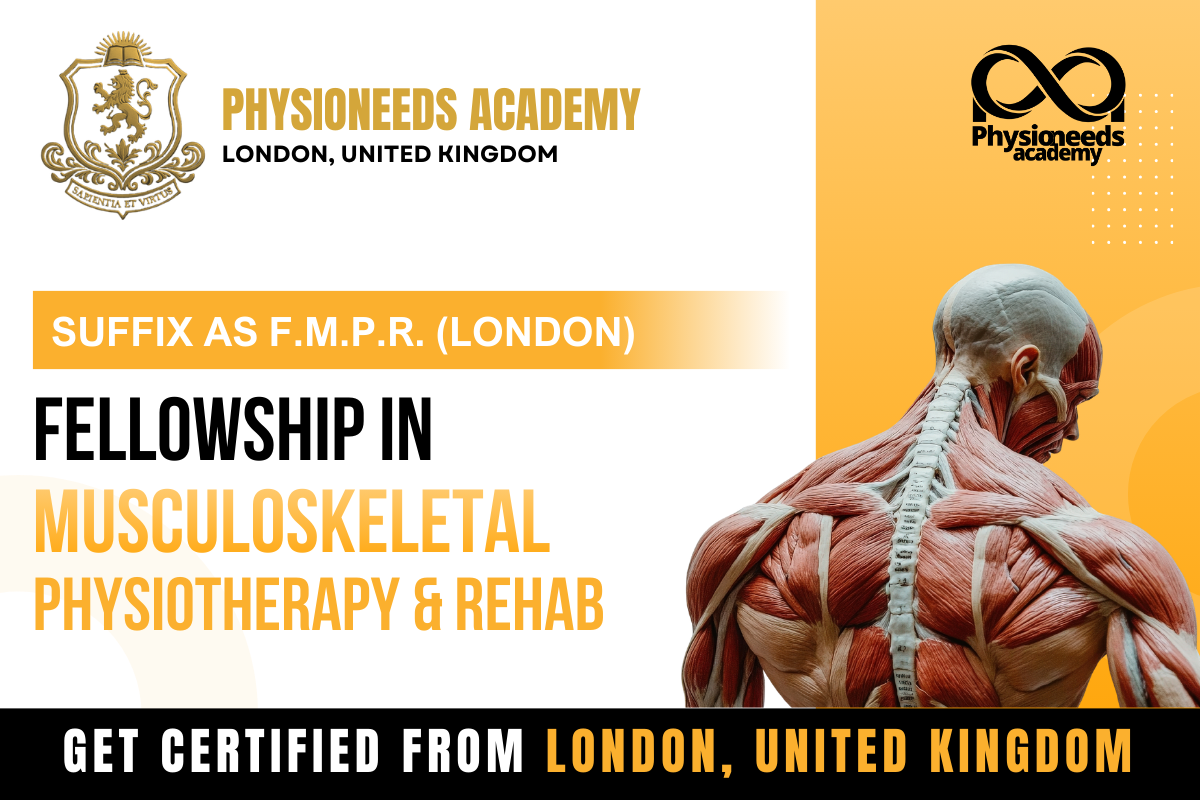
Advanced differential reasoning across complex musculoskeletal presentations, with mentored case review throughout.
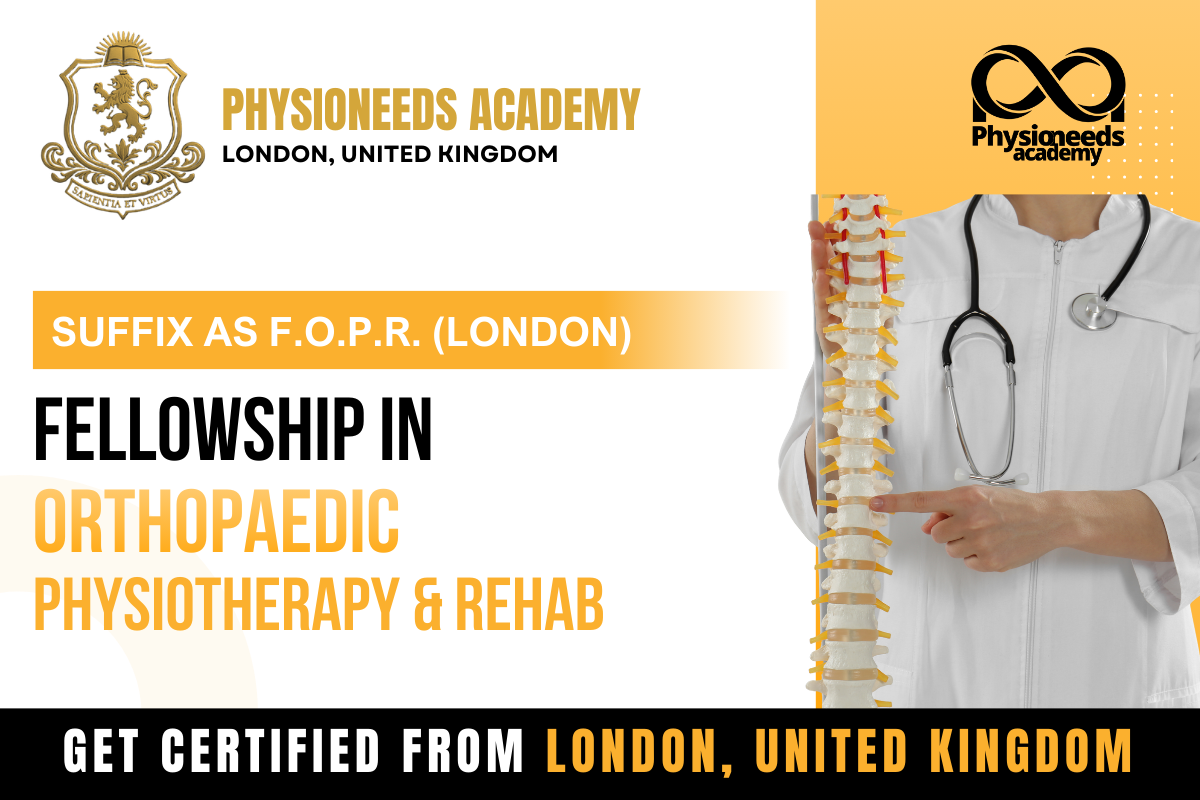
Pre- and post-surgical rehabilitation, fracture management and orthopaedic protocols across the whole body.
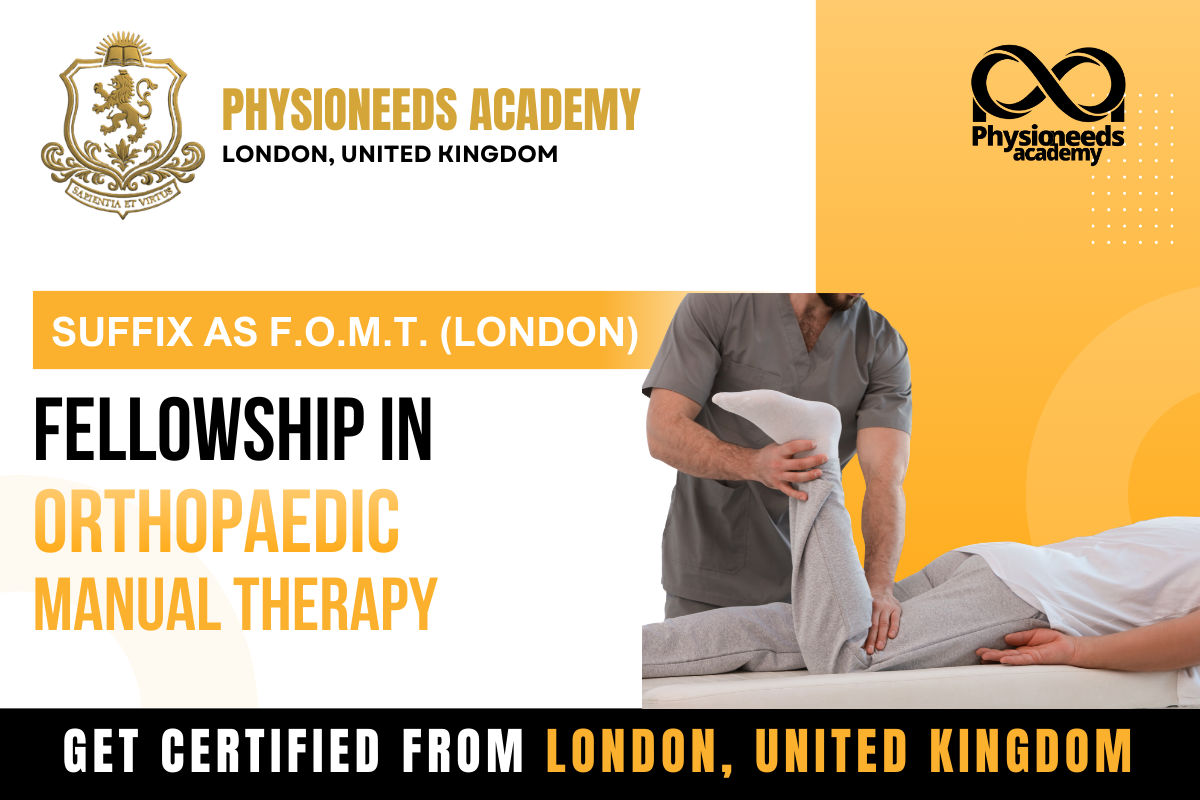
Mobilisation and manipulation taught to a clinical standard, with the reasoning that decides when not to use them.
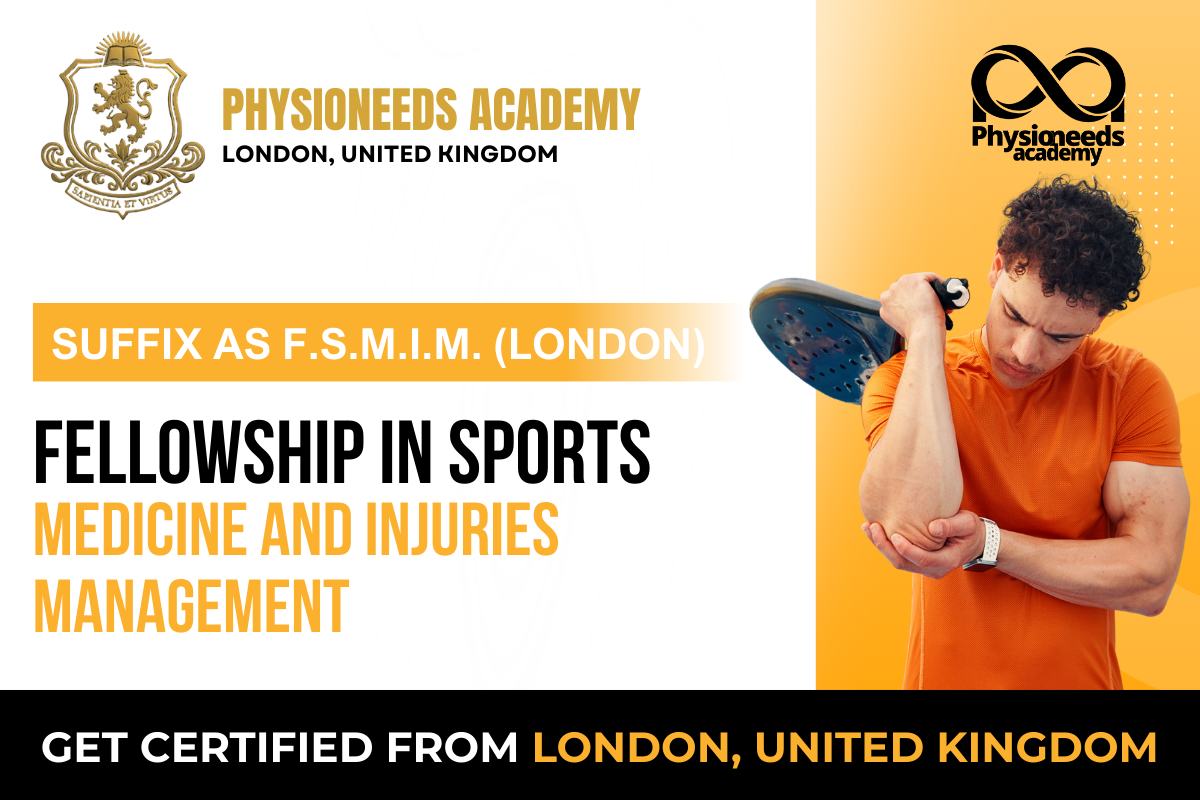
The medical side of athlete care — injury classification, load management and multidisciplinary coordination.
Tell us your qualification, your caseload and your goal. We will map the honest answer, even when that answer is the cheaper programme.
We would rather be judged on our teaching than our marketing. Tell us who you are and these open immediately — no card, no obligation.
 Free · PDF
Forty-eight pages of assessment sequences and treatment progressions for the eight presentations that fill an Indian outpatient department, written for the physio who has fifteen minutes per patient.
PhysioNeeds Academy was built by practitioners, not by a content company. Both founders still teach, still publish, and still answer student questions personally.
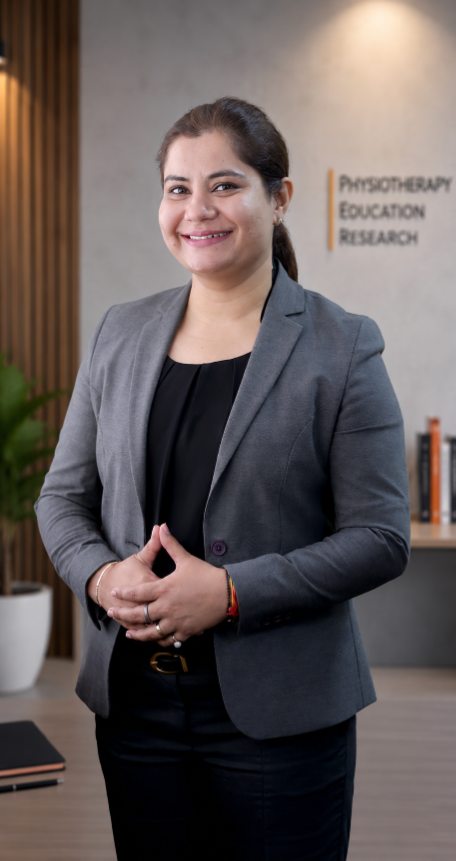 Founder
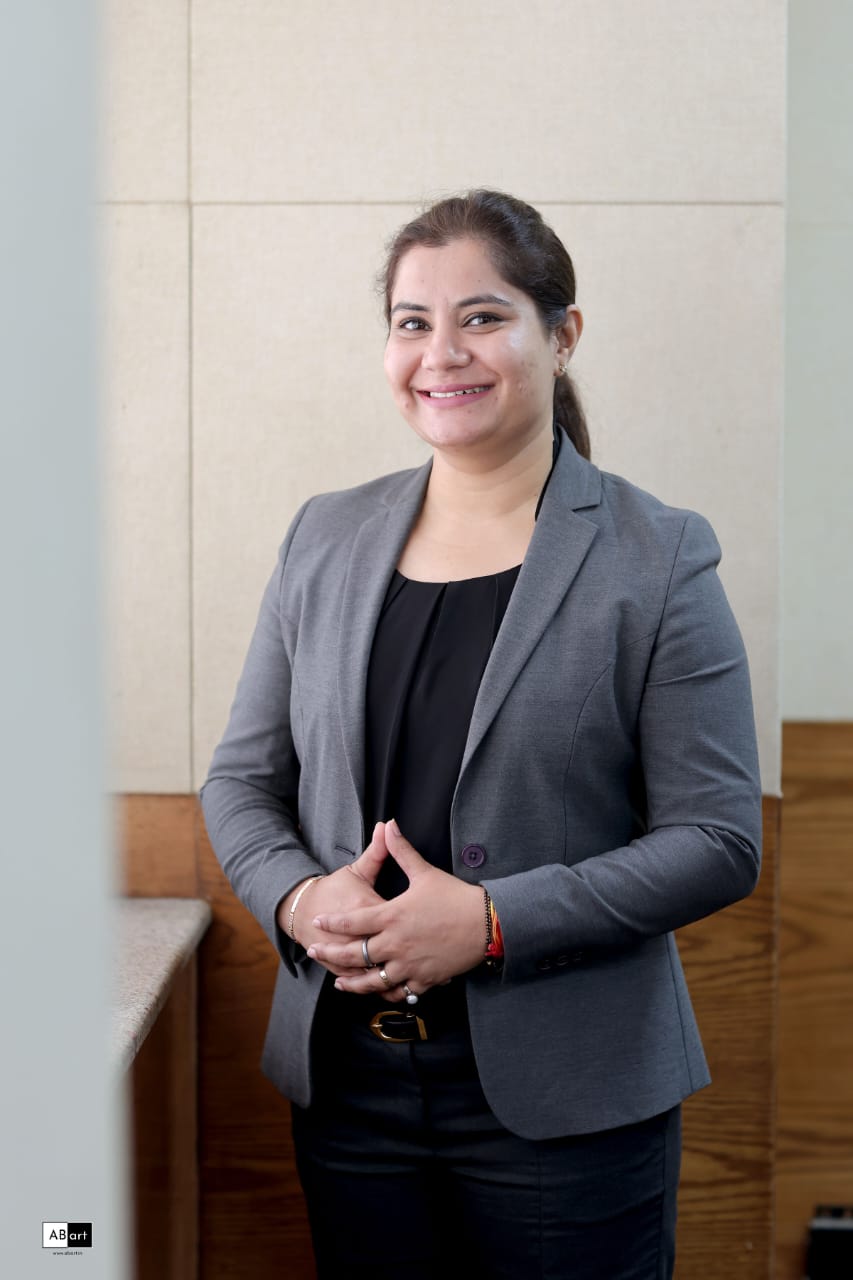
She built this academy for a simple reason: the physiotherapists she met at workshops across the country were bright, hard-working and quietly terrified of complex cases. Sixteen years of practice had shown her exactly which gaps a degree leaves behind, and how to close them.
She still runs a clinical caseload — advanced pain management, sports injury rehabilitation, deformity correction, manual therapy and dry needling. When a technique appears in a module, it is because it worked on a patient that month.
“A certificate should be evidence that your hands got better. Not evidence that you finished watching videos.”
Dr. Chakshu Bansal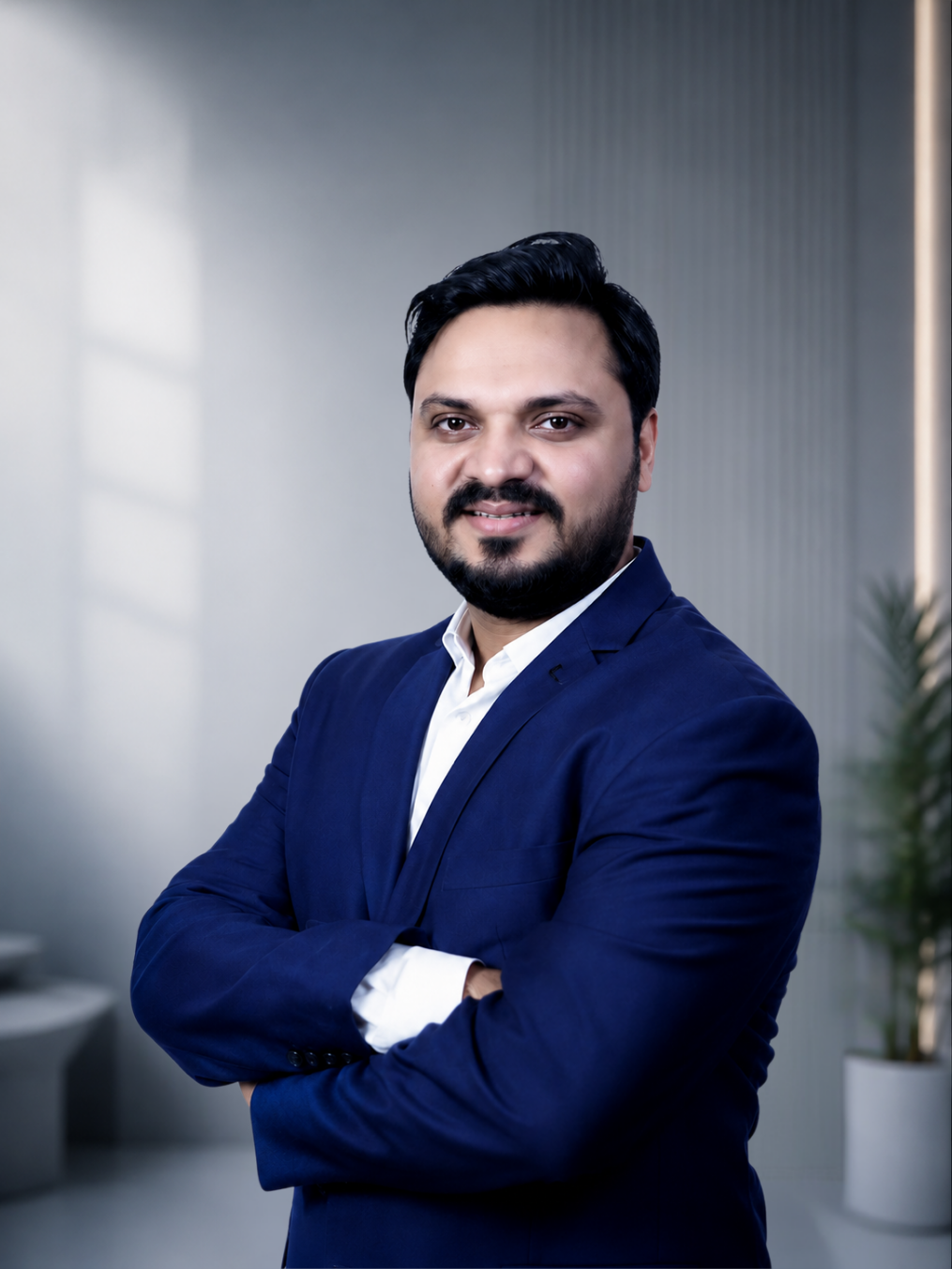 Co-Founder
Co-Founder and Academic Director. Where Dr. Chakshu brings the clinic, Prof. Sharma brings the academic rigour — curriculum structure, assessment design and the research literacy that keeps every protocol defensible.
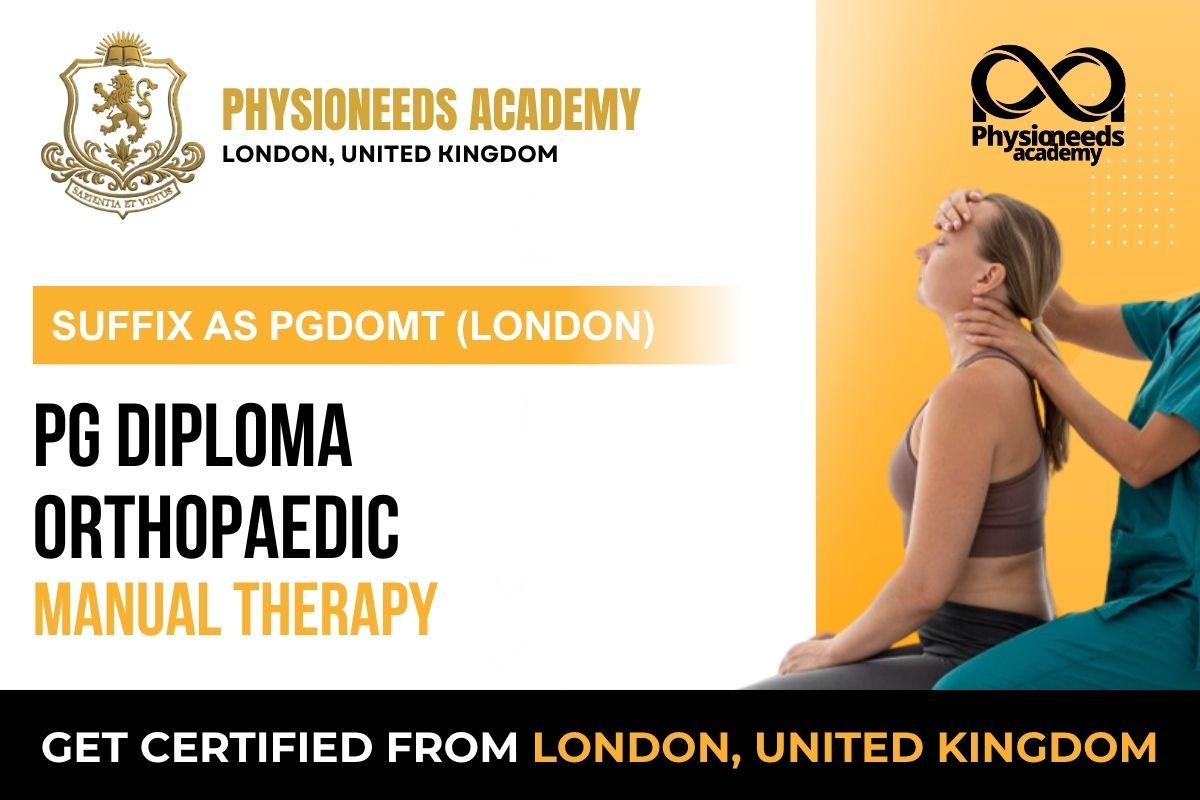
He co-teaches the Post Graduate Diploma in Orthopaedic Manual Therapy and oversees academic standards across the fellowship and diploma programmes, so what you study is examined properly rather than simply completed.
“An assessment that everyone passes is not an assessment. It is a formality — and formalities do not build clinicians.”
Prof. Krishna N. SharmaThis is not a trailer. It is an unedited lesson pulled straight from a paid programme — the same pace, the same detail, the same patient demonstrations enrolled physiotherapists receive.
Physiotherapists do not enrol for a certificate. They enrol because the current version of their practice has stopped growing.
The physiotherapists who enrol most readily are often the most experienced, because after two or three decades in practice you know precisely which parts of your handling have gone stale.
“I have taught postgraduate students for eighteen years. I enrolled expecting to skim. I stayed because the manual therapy reasoning was more current than anything in my own department.”
“Running a clinic that long, you build habits you stop questioning. The dry needling programme rebuilt half my treatment approach, and my chronic pain outcomes changed within a quarter.”
“At my age you are cautious about online learning. What convinced me was the patient demonstrations — you can see the therapist's hands clearly, which is the only thing that ever mattered.”
“I work with a state athletics squad. The return-to-play testing framework alone justified the fellowship fee in the first season.”
“Three of my junior therapists enrolled after me. It is now how we onboard anyone joining the department, because everyone ends up speaking the same clinical language.”
“I practise in Dubai and could not take weeks off for a course. Studying between shifts and attending one practical lab was the only format that could have worked for me.”
No teleprompter, no script sheet. Recorded on their own phones, in their own clinics, months after completing.
 Free · Live seat
Every Thursday at 8:30 pm IST a faculty member takes one difficult case apart on camera and answers questions live. Attendance is free and the recording is shared afterwards.
Physiotherapists have been handed enough worthless PDFs. So the certificate is filmed before you ever pay for a programme — the paper stock, the verification code, the whole kit.
Technique is interesting. Range restored, pain reduced, function returned — that is the scoreboard. These patients were treated using protocols taught inside the programmes.
Written by faculty who needed these references themselves. Printed copies ship across India; digital editions download instantly and are included with membership.

Dry needling, manual therapy and technique manuals in hard copy, delivered anywhere in India.
Order
The same titles as instant downloads, searchable on the phone already in your clinic coat.
Download
Printable outcome measures, assessment forms and home-programme sheets for daily outpatient use.
Browse
Taping rolls, IASTM instruments and needling supplies chosen by the faculty who teach with them.
ShopNobody is asking you to take leave. The structure assumes you are seeing patients tomorrow morning.
Pick the region or technique matching the patients you already see. Counsellors help if you are unsure.
Recorded lessons of fifteen to twenty-five minutes, watchable between appointments and rewatchable forever.
Weekly sessions where faculty work through real presentations and take questions from the cohort.
Add a weekend city lab or supervised clinical internship where technique is corrected in person.
Clear the assessment, receive the verified certificate, and add the suffix to your professional name.

Four minutes of honest questions about assessment, technique and confidence. In return you get a written summary of where your gaps sit and which programmes address them — including the recommendation to study nothing at all, if that is the right answer.
Your results are sent to WhatsApp and email.
If yours is not answered here, message the academic team on WhatsApp. A person replies, usually within the hour.
On its own, only partly, and any academy claiming otherwise is selling to you. Video teaches reasoning, sequencing and dosage extremely well; it cannot correct your pressure or hand placement. That is why every technique programme pairs recorded modules with weekend practical labs and a supervised clinical internship. Watch the demo class above and judge the video half yourself.
Match it to the patients already in your appointment book. Mostly back and neck pain, start with A–Z Spine. Athletes, start with Sports Physiotherapy. Want a technique that changes outcomes quickly, take dry needling or manual therapy. Want a specialist identity rather than a single skill, look at the fellowships. If you would rather not guess, the free skills review maps it for you.
Roughly four in ten learners have more than a decade in practice, and a significant number teach at postgraduate level themselves. Senior clinicians usually enrol for the fellowships, PG diplomas or a specific technique they never formally trained in. The material assumes competence and moves quickly.
That is the assumption the whole structure is built on. Lessons run fifteen to twenty-five minutes, live sessions are scheduled for evenings, and revision access does not expire, so you can rewatch a technique the night before using it on a patient.
Programmes carry UK accreditation, and each certificate is issued with a unique identifier and QR verification any employer can check. These are professional development and continuing education credentials that strengthen your clinical profile; they are not a substitute for a statutory degree or a practising licence, and we would rather say so plainly than let you discover it later.
Fees differ by programme length and format, and change with intake offers, so a counsellor gives you the current figure rather than a stale number on a page. Instalment plans are available on most fellowships and PG diplomas; an academic counsellor confirms the current fee and the payment plans available for your intake.
A course teaches one subject once. Membership keeps the protocol library, monthly case rounds, digital books and a standing discount on every new programme running continuously — which suits clinicians who want to keep progressing rather than study in bursts.
Use the free resources first — that is precisely why they exist. If you enrol and something is not working, the support team resolves it directly on WhatsApp. An academy that grows through referral cannot afford unhappy learners.
Claim the free library, explore the programmes, or speak to a counsellor who will map the right path for your stage and caseload. Either way — start.
Share your details and an academic counsellor will call with course guidance, the current fee and eligibility. No sales sequence.
Full curriculum, module list, sample certificate, duration and fee structure — sent to your WhatsApp and email.