There are no items in your cart
Add More
Add More
| Item Details | Price | ||
|---|---|---|---|

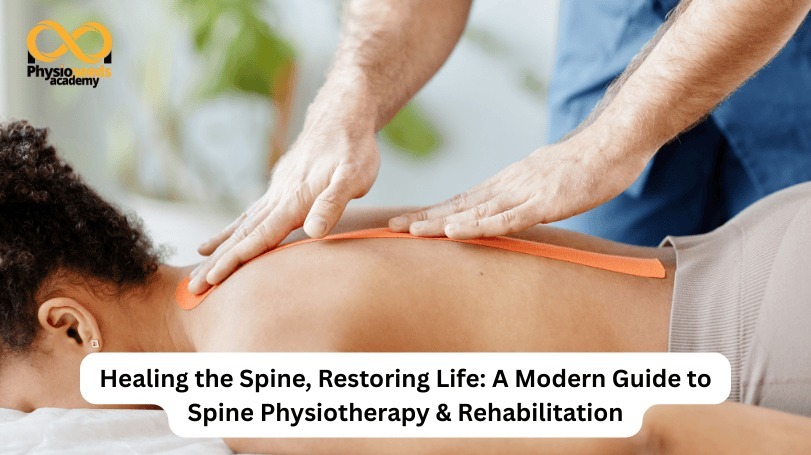
Back pain, neck stiffness, poor posture, spinal injuries—these are no longer problems limited to athletes or the elderly. From desk workers to new mothers, spinal issues affect daily life, confidence, and long-term health. This is why Spine Physiotherapy and Rehabilitation has become one of the most critical and evolving areas in modern healthcare.
This blog explores how advanced spinal care works, why specialized training matters, and how physiotherapists can truly change lives by mastering spine rehabilitation.
The spine is more than a column of bones—it protects the nervous system, supports posture, and allows movement in every direction. Even minor dysfunctions can lead to chronic pain, nerve symptoms, headaches, or mobility loss.
Effective spine physiotherapy focuses on:
Gone are the days when spine rehab meant only heat, traction, and basic exercises. Today’s evidence-based care integrates multiple approaches, including:
Spinal injuries—whether due to trauma, poor ergonomics, or repetitive stress—require more than symptom management. Therapists must apply targeted spine physiotherapy strategies for injury rehabilitation to restore function safely and progressively.
Equally important are spinal rehabilitation methods for postural correction, especially in patients with:
Spinal care is deeply connected to women’s health. Hormonal changes, pregnancy, childbirth, and menopause significantly affect spinal stability and posture.
Specialized spine physiotherapy applications for women’s health issues help manage:
Treating spinal conditions requires advanced clinical reasoning and hands-on skill—not guesswork. A structured comprehensive spinal rehabilitation certification program equips physiotherapists with the knowledge to assess red flags, design safe protocols, and handle both acute and chronic spinal conditions.
For professionals seeking flexibility and depth, an advanced spine physiotherapy course online allows learning without interrupting clinical practice—making specialization more accessible than ever.