There are no items in your cart
Add More
Add More
| Item Details | Price | ||
|---|---|---|---|

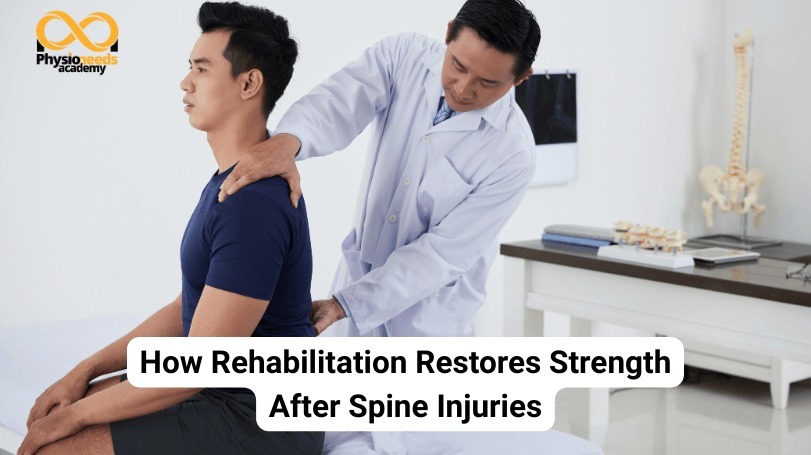
Sports Rehabilitation First Session, What to Expect is often the first question people ask after a spine injury. Many feel unsure, nervous, or confused about what will happen during rehabilitation. Spine injuries can affect daily movement, work life, and confidence. Rehabilitation plays a key role in restoring strength, improving mobility, and helping people return to normal activities safely. With the right guidance, recovery becomes smoother and more effective.
Spine rehabilitation is not only for athletes. Office workers, fitness lovers, therapists, and even people with simple back pain can benefit. Programs focused on spinal rehabilitation techniques are designed to rebuild strength step by step, without rushing the healing process. When done correctly, rehabilitation helps prevent pain from coming back and supports long-term spine health.
After a spine injury, muscles become weak, stiff, or inactive. Joints may lose movement, and posture often changes to avoid pain. If these issues are ignored, they can lead to long-term discomfort or repeated injuries.
Rehabilitation helps the body heal in a safe way. It focuses on movement control, strength, balance, and posture. Many professionals choose spinal rehabilitation for physical therapists training to better understand how the spine heals and how to guide patients through recovery. These programs teach clear methods that work in real life, not just theory.
The first phase of rehabilitation is gentle and controlled. The goal is not to push the body but to understand it.
This stage often includes:
As pain reduces and movement improves, the focus shifts to strength. Weak muscles around the spine can cause imbalance, which increases injury risk. Rehabilitation rebuilds these muscles slowly.
Spinal rehabilitation techniques focus on:
In the middle of the recovery journey, people often want reassurance about Sports Rehabilitation First Session, What to Expect, because understanding the process removes fear and builds confidence.
One of the biggest benefits of rehabilitation is injury prevention. Strong muscles, good posture, and proper movement patterns protect the spine.
Spine physiotherapy for injury prevention teaches:
Courses and workshops related to spine rehabilitation are becoming more popular because spine issues are common across all age groups. Students and professionals want clear, practical knowledge they can use daily.
Spinal physiotherapy for physiotherapists focuses on real-world cases and simple solutions. A spine physiotherapy workshop offers hands-on learning and better understanding of movement correction. These programs also cover spinal rehabilitation techniques that support recovery and long-term care.
For professionals, these courses:
Modern spine rehabilitation education is designed to be easy to access. Many workshops and learning programs use clear language and practical examples. This makes learning simple for beginners and experienced professionals.
Spine physiotherapy for injury prevention is also useful for people without a medical background. Office workers and fitness trainers can apply basic principles to protect their spine and avoid pain.
Understanding Sports Rehabilitation First Session, What to Expect helps people stay committed to recovery instead of quitting early due to fear or confusion.
Spine rehabilitation is helpful for: