There are no items in your cart
Add More
Add More
| Item Details | Price | ||
|---|---|---|---|

A focused Shoulder Physiotherapy and Rehabilitation certification for physiotherapists and sports therapists who want to master shoulder anatomy, biomechanics, assessment, rotator cuff rehab, impingement care, post-surgical protocols, manual therapy, dry needling, IASTM and taping.
You know general exercises, but shoulder pain needs precise assessment of mobility, stability, scapular control, pain source and functional limitation.
BPT/MPT is done, but your profile needs a sharper shoulder rehab identity for rotator cuff, impingement, instability and post-surgical cases.
Shoulder mobilizations, MFR, Advanced IASTM, taping, resistance loading and proprioceptive drills work best when you know how to sequence them around the patient’s dysfunction and recovery stage.
You want to identify shoulder dysfunction, special-test findings, scapular movement faults and rehab priorities before starting treatment.
Pain relief alone is not enough; shoulder recovery needs mobility, strength, motor control, return-to-sport and postural correction strategies.
Structured shoulder-rehab learning, course completion certification and mentor-backed education help strengthen your shoulder-focused clinical profile.
Build a practical assessment flow using shoulder special tests, scapular dyskinesia identification, dysfunction mapping and movement breakdown for clearer clinical decisions.
Develop confidence with mobilizations, MFR, Advanced IASTM, shoulder taping, strengthening, resistance loading and proprioceptive drills based on dysfunction and functional goals.
Apply structured reasoning across frozen shoulder, impingement, rotator cuff, instability and labral presentations, with phase-specific progression from pain and stiffness toward function.
Create condition-based post-surgery shoulder rehabilitation plans using mobility restoration, progressive strengthening and functional drills that lead back toward activity and performance.
Each learning outcome is connected with shoulder assessment, biomechanics, injury stage, pain behavior and functional goals so you can progress patients safely from symptoms to function.
Practice shoulder mobilizations, MFR and musculofascial release as part of condition-based rehabilitation. Learn how mobility restoration fits into the wider shoulder recovery sequence.
Use simplified special-test reasoning for rotator cuff, labral and impingement presentations. Connect test findings with dysfunction mapping and rehabilitation priorities.
Understand where dry needling can fit as a bonus shoulder-rehabilitation tool within early post-injury recovery. Integrate it with the broader movement and function plan rather than using it in isolation.
Apply Advanced IASTM to shoulder chains and integrate it with strengthening and progressive loading. The focus stays on restoring useful shoulder function.
Learn shoulder taping techniques within mobility, support and rehabilitation progressions. Use taping alongside manual therapy and exercise-based recovery.
Progress resistance loading and proprioceptive drills with phase-wise strengthening. Build stability and end-range control as shoulder function improves.
Analyse scapular movement, glenohumeral rhythm and kinetic-chain behaviour to identify dysfunctional patterns. Use those findings to guide exercise and control strategies.
Build condition-based post-surgery rehabilitation plans with mobility restoration and progressive strengthening. Progress patients toward functional and activity-specific goals.
Connect muscle strengthening with kinetic-chain integration, stability and end-range control. Use structured progression instead of isolated shoulder exercises.
Use sport-specific and job-specific drills with a return-to-play decision checklist. Progress shoulder function toward safe real-world performance demands.
The curriculum is built around shoulder conditions commonly managed by physiotherapists, sports therapists and rehabilitation professionals.
Designed for physiotherapists and sports therapists who want a clear path from shoulder anatomy, biomechanics and assessment to pain management, surgical rehab, physical therapy treatment and return-to-function protocols.
Watch how the course connects shoulder assessment, diagnosis, special tests, pain management, manual therapy and rehabilitation planning into one practical learning pathway.
This demo shows how clinical reasoning, shoulder assessment and practical rehab decisions are taught for real patient application.
A real pre-post results compilation featuring Frozen Shoulder and other complex shoulder cases — the clinical outcomes you'll be equipped to deliver after this certification.
These learner stories highlight improved confidence in shoulder assessment, treatment planning and evidence-based rehabilitation protocols.
The certificate-focused overview explains the shoulder rehab learning pathway, practical demo access and course-completion experience.
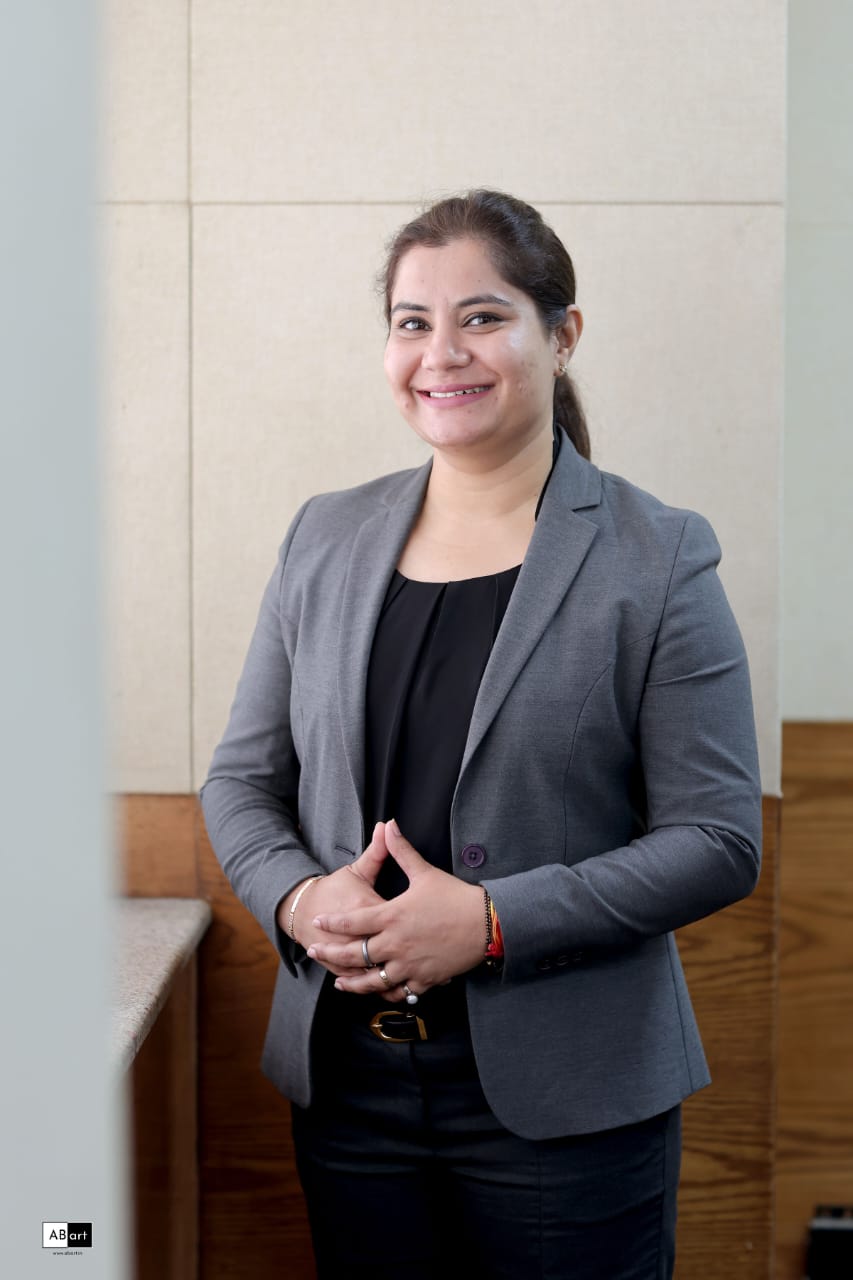
Dr. Chakshu brings clinical authority, pain management expertise and practical teaching built from years of treating musculoskeletal disorders, sports injuries and complex rehabilitation cases.
Step-by-step instructor-led access to shoulder manual therapy, special tests, injury management and rehabilitation techniques.
Biomechanics, assessment, rotator cuff rehab, instability, frozen shoulder, manual therapy, IASTM, return-to-play and protocol design in one focused pathway.
Practical sessions, case-based learning and clinical reasoning support for shoulder rehab cases.
Lifetime access to practical demo material for revision and clinical confidence.
Pre-recorded learning with HD practical demonstrations, clinical case studies, mentorship and a 2-hour live demo.
Course learning is designed for physiotherapists who want shoulder rehab skills applicable across clinical and sports settings.
Multiple payment options available. Choose full payment or EMI payment in the secure plan popup.
Hear from physiotherapy professionals who improved their shoulder assessment, treatment planning and rehabilitation confidence through CShPTR.
Earlier I was treating shoulder pain generally. Now I can assess, reason and plan shoulder rehab with confidence.
— Nidhi SinghThe shoulder-specific explanations, practical demos and case-based approach made the course useful for daily clinical practice.
— Varun GoelCShPTR gave me better confidence, better profile and clearer shoulder rehabilitation protocols for pain and injury cases.
— Khushi VermaThe course is ideal for physiotherapists, physical therapists and sports therapists who want to specialize in shoulder injury management and recovery.
Yes. The brochure lists a certificate and printed notes as part of the course inclusions.
The brochure does not state a total-hour duration. It describes the program as 100% online and self-paced, with pre-recorded learning and a 2-hour live demo.
The brochure lists 100% online, self-paced learning with HD practical demonstrations, clinical case studies, pre-recorded content, a 2-hour live demo, mentorship and lifetime access.
The brochure lists a certificate and printed notes, along with the structured A-Z shoulder learning pathway and lifetime access.
General workshops may cover limited techniques. CShPTR focuses on A-Z shoulder physiotherapy, assessment, diagnosis, pain management, surgical rehab and evidence-based rehabilitation protocols.
Build shoulder assessment confidence, learn under Dr. Chakshu and strengthen your clinical approach to sports, orthopaedic and rehabilitation shoulder cases.