There are no items in your cart
Add More
Add More
| Item Details | Price | ||
|---|---|---|---|

An advanced, mentor-led Orthopaedic Physiotherapy & Rehabilitation certification for BPT and MPT professionals who want to master orthopaedic assessment, manual therapy, post-surgical rehabilitation, pain management, therapeutic exercise and functional recovery protocols.
You know the basics, but shoulder, spine, knee, hip and post-operative cases need clear assessment, diagnosis and rehab progression.
BPT/MPT is done, but your profile needs a stronger orthopaedic physiotherapy and rehabilitation specialization.
Techniques like Advanced IASTM, Maitland and Mulligan concepts, MET, myofascial release, nerve mobilization, dry needling and kinesiology taping work best when you understand when, why and how to integrate them into a structured assessment-to-rehabilitation plan.
TKR, THR, ACL, spinal fusion and rotator cuff cases need safe timelines, progression rules and return-to-function planning.
Pain relief alone is not enough. Lasting recovery needs assessment, manual therapy, therapeutic exercise and functional rehabilitation.
PGCOPR suffix, structured certification and mentor-backed training help you position as an orthopaedic physiotherapy and rehab professional.
Build practical clarity in applied anatomy, biomechanics, movement analysis and palpation so you can assess upper limb, lower limb and spine cases with stronger clinical confidence.
Learn red flag screening, differential diagnosis, joint assessment, special tests and imaging interpretation to make safer, evidence-based treatment decisions.
Develop hands-on reasoning for Maitland, Mulligan, Kaltenborn, MET, myofascial release, Active Release, Advanced IASTM, trigger point therapy and nerve mobilization within orthopaedic rehabilitation.
Design progressive, patient-ready rehab plans for TKR, THR, ACL, spinal fusion, rotator cuff repair and return-to-activity cases with measurable functional goals.
Every technique is positioned as a practical learning outcome: how to assess, select, apply, modify and integrate it into evidence-based rehabilitation for safer patient progress.
Learn how Maitland-based joint mobilization fits into peripheral and spinal manual therapy. Apply the approach within clinically reasoned orthopaedic rehabilitation.
Develop practical understanding of Mulligan-based manual therapy and its place within joint-mobilization planning. Integrate it with patient-specific orthopaedic treatment.
Practice MET for the SI joints, pelvis, spine and peripheral regions. Learn to combine it with soft-tissue work and functional rehabilitation.
Build practical skill in advanced instrument-assisted soft-tissue mobilization, including Graston and M2T blade applications. Use it alongside myofascial and trigger-point approaches.
Practice myofascial release together with Active Release, positional release and 3D release approaches. Use these methods within soft-tissue and orthopaedic rehabilitation.
Learn nerve mobilization through sliders and tensioners, including applications for sciatic, median and radial nerves. Integrate neural mobility work with manual therapy and rehabilitation.
Learn clinical dry needling protocols for fascia, tendons and myofascial trigger points with safety, contraindication and sterility principles. The curriculum includes major-muscle applications and MSK integration.
Practice taping for joints, fascia and posture, including fascia-release and postural applications. Learn differential tension, layering and athletic strapping for stability and load control.
Develop the concept and application of KKMT 3D Manual Therapy for peripheral joints. Integrate it with joint mobilization and broader manual-therapy planning.
Plan rehabilitation for TKR, THR, ACL, spinal fusion and rotator-cuff repair. Progress from early mobilization toward function and return-to-activity using patient-specific timelines.
The curriculum is built around the musculoskeletal, post-surgical and functional rehabilitation conditions physiotherapists commonly manage.
Designed for working physiotherapists who want a clear path from assessment and clinical reasoning to manual therapy integration, therapeutic exercise prescription, post-surgical progression, pain science and case-based decision-making.
Understand how the program connects assessment, diagnosis, special tests, pain management, manual therapy and rehabilitation planning into one clinically useful pathway.
Watch how clinical concepts are explained through assessment logic, mobilization, soft tissue work, taping, dry needling and rehabilitation progression.
A real pre-post results compilation covering Knock Knees, Frozen Shoulder, Flat Feet, TMJ, Cerebral Palsy and other musculoskeletal & neuro-orthopaedic cases — the clinical outcomes you'll be equipped to deliver after this postgraduate certification.
Student experiences highlight better assessment flow, practical rehabilitation planning and improved confidence in orthopaedic physiotherapy practice.
See how the certification, PGCOPR suffix, mentorship and clinical learning pathway support a stronger orthopaedic rehabilitation profile.
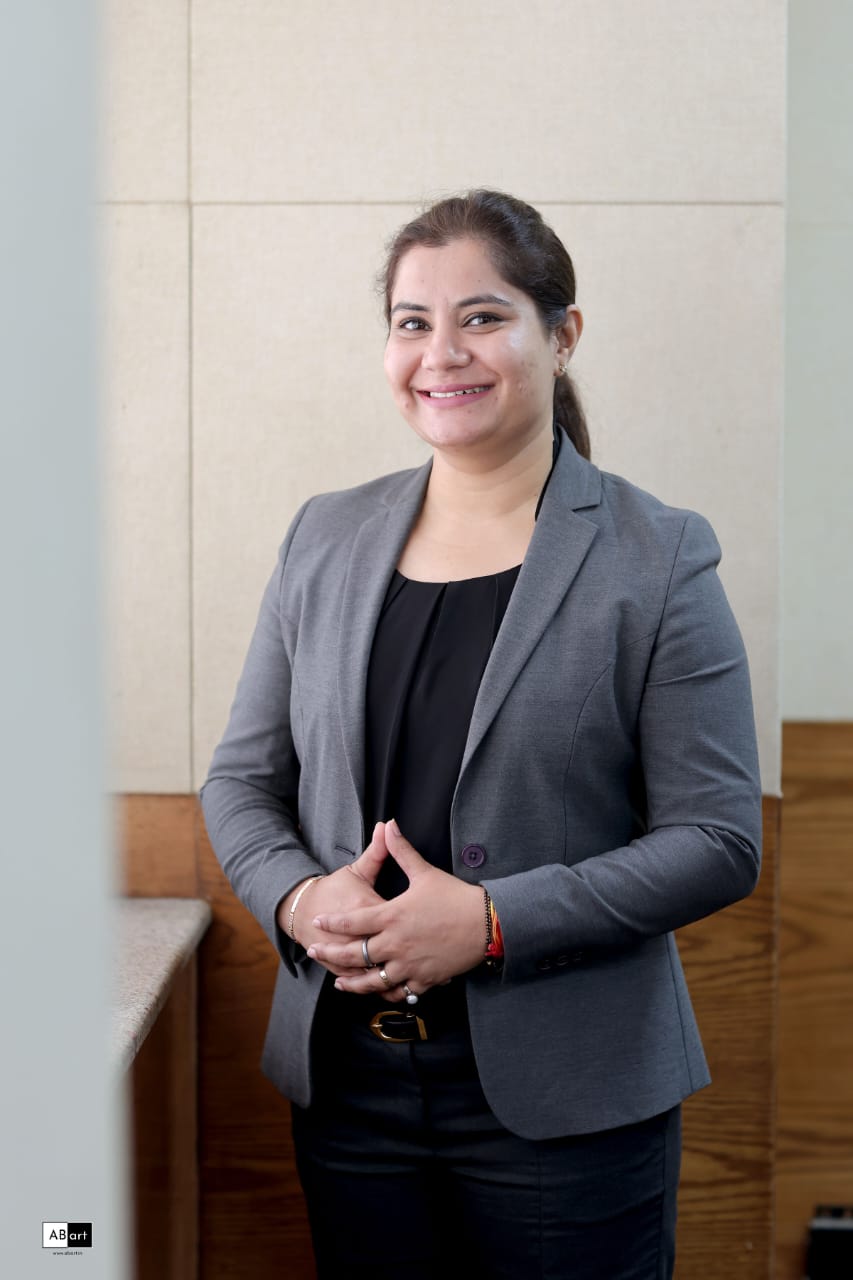
Dr. Chakshu brings clinical authority, physiotherapy education, manual therapy innovation and practical teaching built from years of treating musculoskeletal disorders, pain management cases, sports injuries and complex rehabilitation cases.
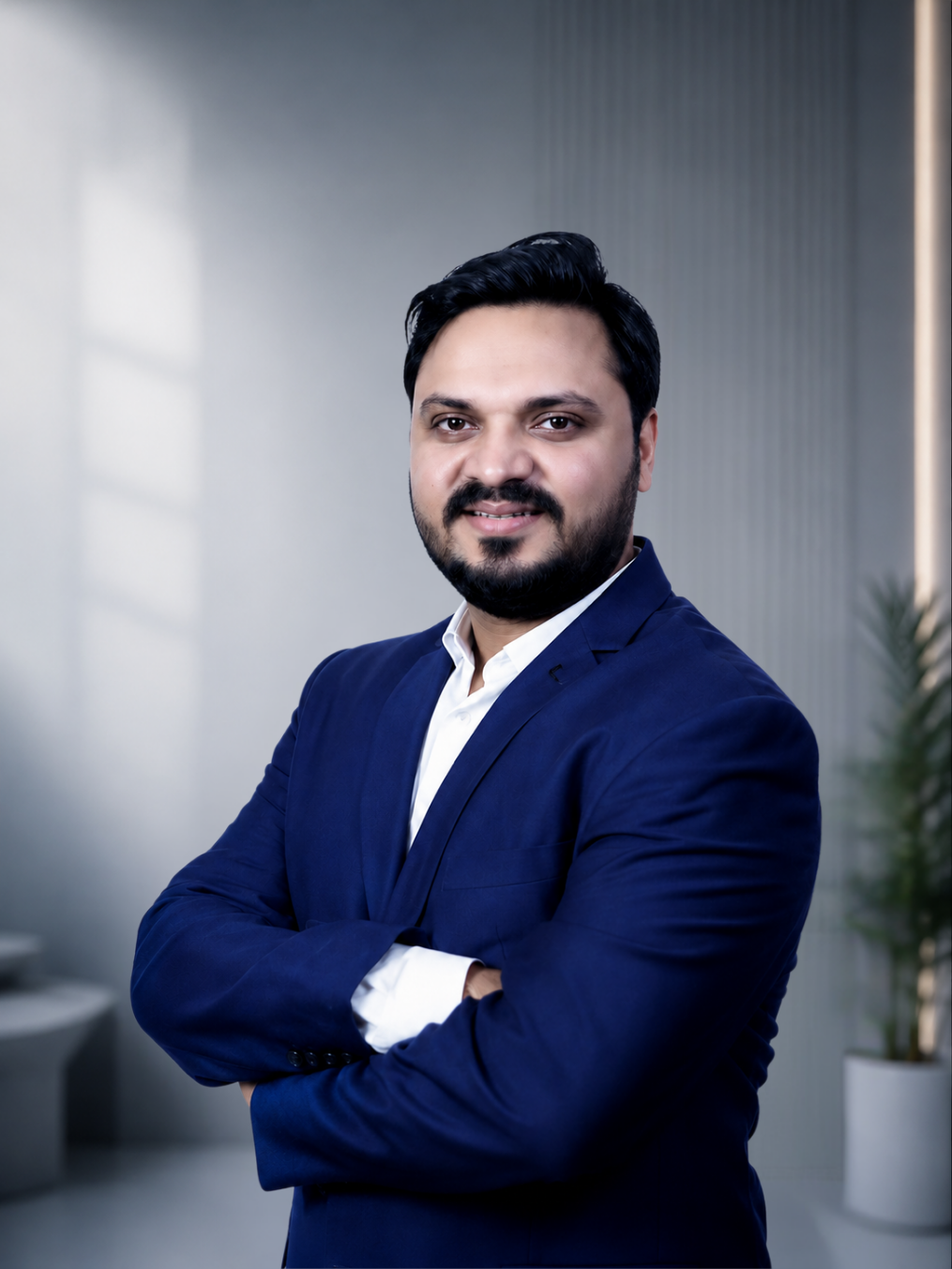
Prof. Krishna brings record-breaking academic leadership, global physiotherapy education experience and practical manual therapy innovation through KKMT, helping learners build clinical confidence, professional authority and transformational thinking.
Step-by-step instructor-led access to assessment, manual therapy and rehabilitation techniques.
Organized learning support for assessment flow, treatment planning and practical revision.
Weekly clinical modules, practical demonstrations, virtual case simulations and assessment support.
Recorded content and practical demo material available for lifetime revisit and revision.
Optional offline contact program for hands-on clinical training at the end of the course.
Certificate delivered to your doorstep with premium physio kit support as per batch offer.
Multiple payment options available. Choose full payment or EMI payment in the secure plan popup.
Learner feedback reflects improved assessment confidence, clearer rehabilitation planning and stronger clinical positioning in orthopaedic physiotherapy practice.
Earlier I was treating cases in parts. Now I can assess, reason and progress rehab with confidence.
— Nidhi SinghThe clinical modules helped me understand safe progression for TKR, ACL, spine and shoulder cases.
— Varun GoelPGCOPR gave me better confidence, stronger positioning and clarity as an orthopaedic rehab professional.
— Khushi VermaPGCOPR is designed for BPT and MPT professionals who want structured clinical training in orthopaedic physiotherapy, musculoskeletal assessment, manual therapy, post-surgical rehabilitation, pain management and functional recovery planning.
Yes. The course starts with applied anatomy, biomechanics, assessment principles and clinical reasoning, then progresses into manual therapy, therapeutic exercise and rehabilitation protocols. Beginners can follow the pathway, while experienced clinicians can use it to refine case planning.
You will learn how to assess orthopaedic conditions, identify movement and pain drivers, screen red flags, choose suitable manual therapy or exercise strategies, plan post-operative rehabilitation and progress patients from pain relief to functional recovery.
Yes. PGCOPR includes rehabilitation planning for common orthopaedic surgery cases such as ACL reconstruction, total knee replacement, total hip replacement, spinal fusion and rotator cuff repair, with emphasis on safe progression, loading, mobility, strength and return-to-activity goals.
Yes. The brochure covers Maitland, Mulligan and Kaltenborn approaches, peripheral and spinal joint mobilization, KKMT 3D Manual Therapy, MET, myofascial release, Active Release, Advanced IASTM, trigger point therapy, nerve mobilization, dry needling, and taping and strapping applications.
The brochure explicitly includes post-surgical rehabilitation for TKR, THR, ACL, spinal fusion and rotator cuff repair, along with sports-injury, headache and tendinopathy applications in the dry needling curriculum and broader musculoskeletal and orthopaedic rehabilitation.
Yes. The page positions PGCOPR around evidence-based assessment, clinical reasoning, differential diagnosis, red flag screening, manual therapy selection, therapeutic exercise and outcome-focused rehabilitation, so techniques are taught with decision-making rather than as isolated tricks.
Yes. The course includes lifetime access, allowing you to revisit recorded lessons, practical demonstrations and clinical material whenever you need to revise a technique, plan a case or strengthen your orthopaedic rehabilitation reasoning.
After successful completion, you receive the PGCOPR certification as per academy guidelines. The page also highlights the PGCOPR suffix, which helps communicate focused training in orthopaedic physiotherapy and rehabilitation.
PGCOPR can help you position yourself more confidently in orthopaedic physiotherapy, hospital rehab, clinic practice and private practice by strengthening your assessment clarity, treatment planning, manual therapy reasoning, post-surgical rehab confidence and patient outcome communication.
Build your orthopaedic assessment confidence, earn the PGCOPR suffix, learn under Dr. Chakshu and prepare your profile for clinics, hospitals, rehab centres and orthopaedic rehab practice.